
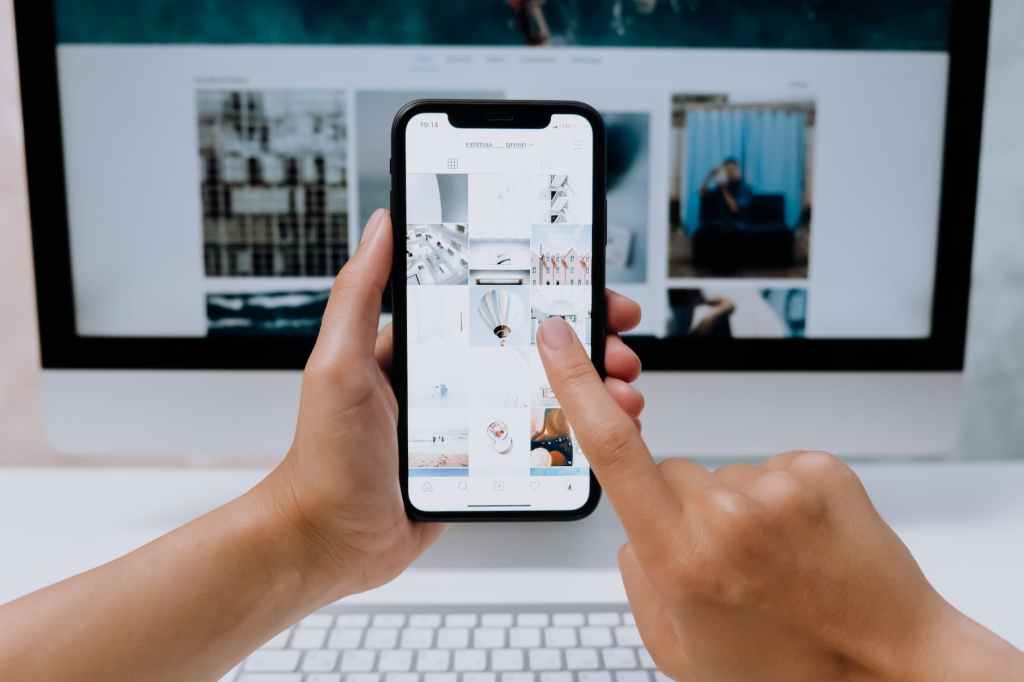
The rise of smartphones has undoubtedly had a significant impact on the way we access and interact with digital content. While it is true that smartphones have become increasingly popular and have gained a significant share of the market, it would be an oversimplification to say that desktops are losing to smartphones entirely.
Both desktop computers and smartphones serve different purposes and cater to different needs. Here are some key points to consider:
Usage Scenarios: Smartphones are highly portable and provide convenient access to information and communication on the go. They are well-suited for tasks such as browsing social media, sending messages, making phone calls, and consuming media on a smaller screen. On the other hand, desktops offer larger screens, more processing power, and a full-sized keyboard, making them ideal for tasks that require more screen real estate, computational power, and precision, such as content creation, graphic design, video editing, and gaming.
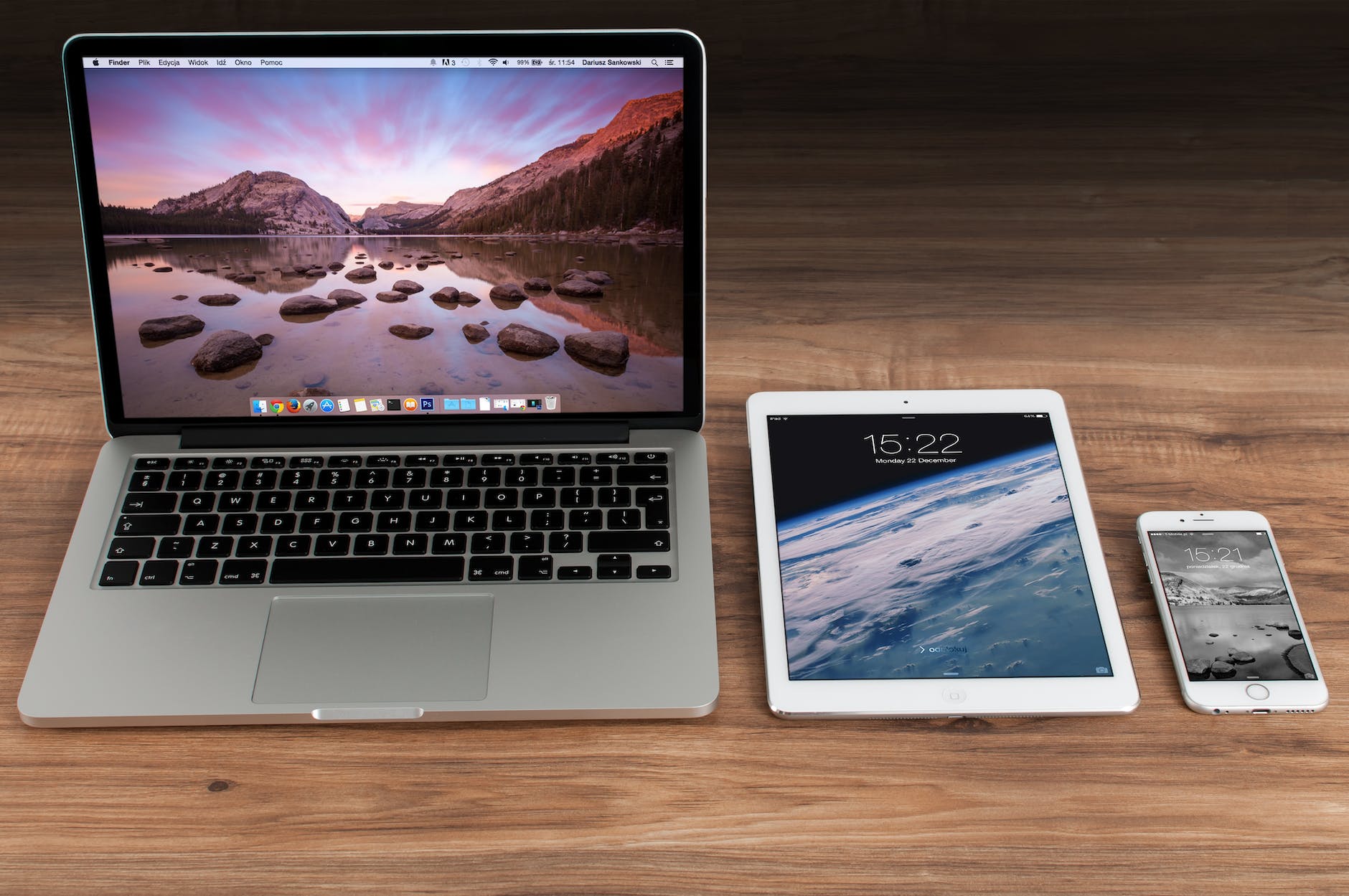
Productivity and Multitasking: While smartphones have become increasingly capable of handling productivity tasks, desktops still offer more power and multitasking capabilities. Desktop computers typically have more RAM, faster processors, and larger storage capacities, allowing users to run resource-intensive software simultaneously and handle complex tasks more efficiently. This makes desktops more suitable for professionals who rely on software applications like video editing suites, 3D modeling tools, and data analysis software.
Ergonomics and Comfort: Desktop setups provide better ergonomics for prolonged use. They offer adjustable monitors, ergonomic keyboards, and mice, allowing users to maintain a more comfortable and healthy posture while working. Smartphones, due to their smaller size, may lead to discomfort or strain during extended periods of use.
Specialized Applications: Certain industries and professions heavily rely on desktop computers due to the need for specialized software and hardware. For example, architects, engineers, and data scientists often require powerful desktop workstations to run complex simulations, perform calculations, and handle large datasets. Additionally, gamers typically prefer desktops for their superior graphics processing capabilities and the ability to upgrade components for optimal gaming performance.
Cross-Device Synchronization: With the advancement of technology, there is now a greater integration and synchronization between desktop and smartphone platforms. Users can seamlessly switch between devices, access files and data across devices, and even continue tasks started on one device from another.


