
Mixed Reality (MR) is a technology that combines elements of both virtual reality (VR) and augmented reality (AR) to create a blended experience where virtual objects are seamlessly integrated into the real world. In the field of medicine, MR holds significant potential to revolutionize healthcare practices, training, and patient care.
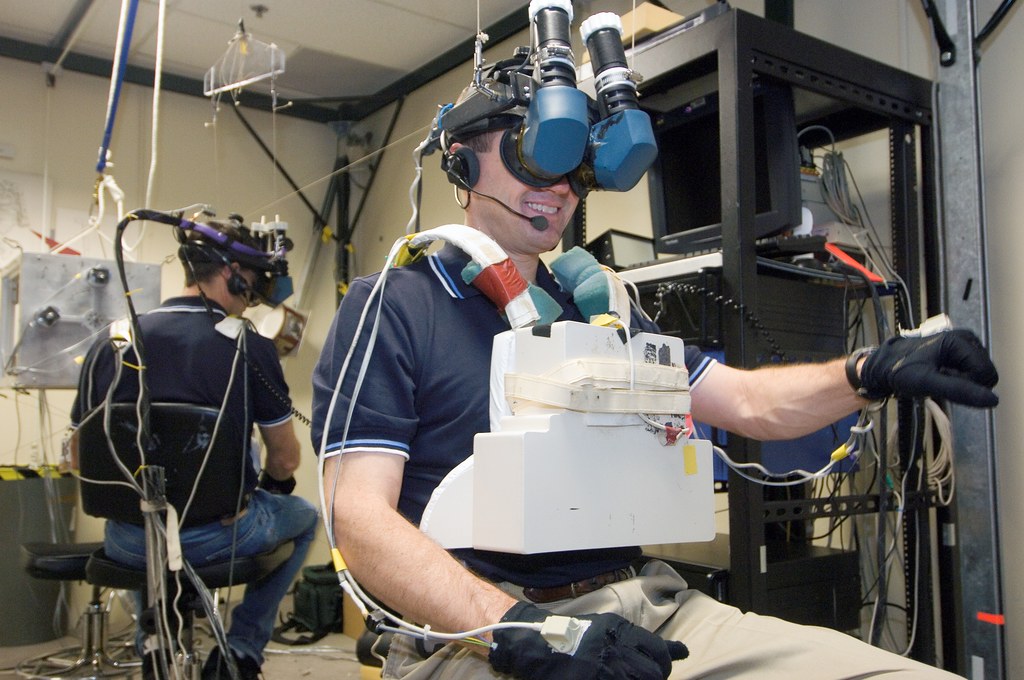
One of the key advantages of MR in medicine is its ability to provide realistic and interactive simulations for medical training and education. Medical professionals can use MR applications to practice surgical procedures, visualize complex anatomical structures, and simulate medical scenarios in a controlled environment. This technology enables trainees to gain valuable hands-on experience and improve their skills before performing procedures on actual patients.
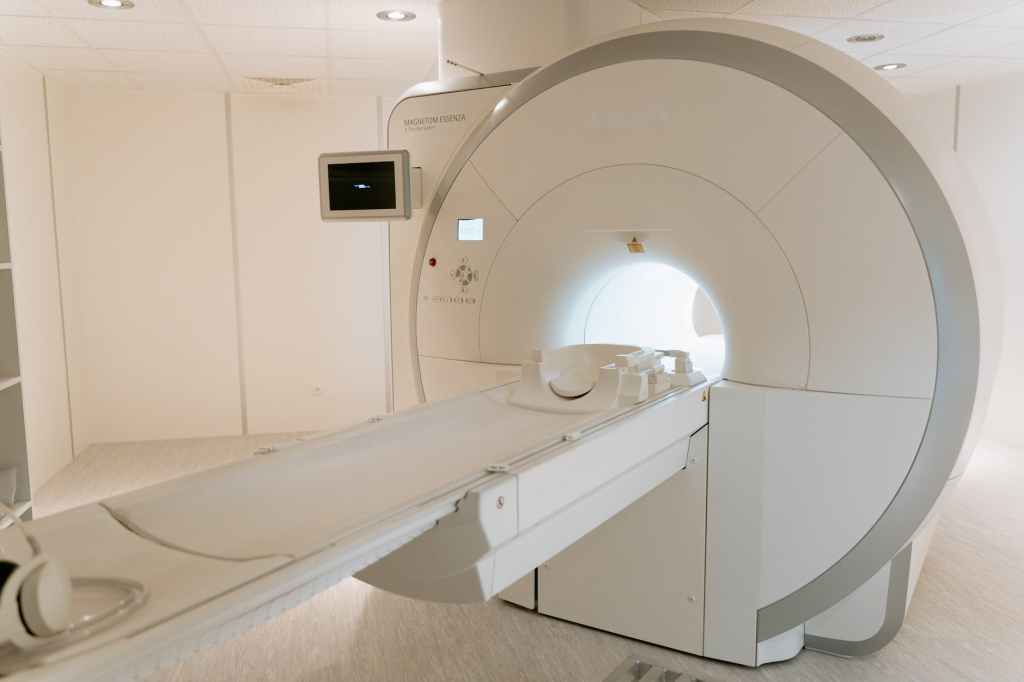
MR also offers enhanced visualization capabilities in medical imaging and diagnostics. By overlaying virtual images onto a patient’s real-time visual field, medical practitioners can better understand complex medical data, such as CT scans, MRI images, or ultrasound results. This immersive visualization enables more accurate and precise diagnosis, treatment planning, and surgical interventions.
Furthermore, MR can enhance patient experiences and outcomes by improving preoperative planning and patient education. By visualizing medical conditions and treatment options in a more immersive and interactive manner, patients can have a better understanding of their conditions, potential procedures, and expected outcomes. This helps in informed decision-making and can alleviate anxiety and fear associated with medical interventions.
In surgical settings, MR can assist surgeons by providing real-time guidance and information during procedures. Surgeons can access vital patient data, overlay virtual surgical plans onto the patient’s anatomy, and visualize critical structures and instruments in their field of view. This helps in enhancing precision, reducing errors, and improving surgical outcomes.
The applications of MR in medicine are continually evolving, and ongoing research and development are exploring new possibilities. However, it’s important to note that while MR has immense potential, it also poses challenges related to data security, user comfort, and integration into existing healthcare systems.
Overall, mixed reality technology holds great promise in revolutionizing the field of medicine. By seamlessly merging virtual and real-world elements, MR has the potential to enhance medical education, improve diagnostics and visualization, empower patients, and optimize surgical interventions, ultimately leading to improved healthcare outcomes.
Several companies and research institutions have been at the forefront of developing and advancing mixed reality (MR) technology in the field of medicine. Here are some notable pioneers in this field:
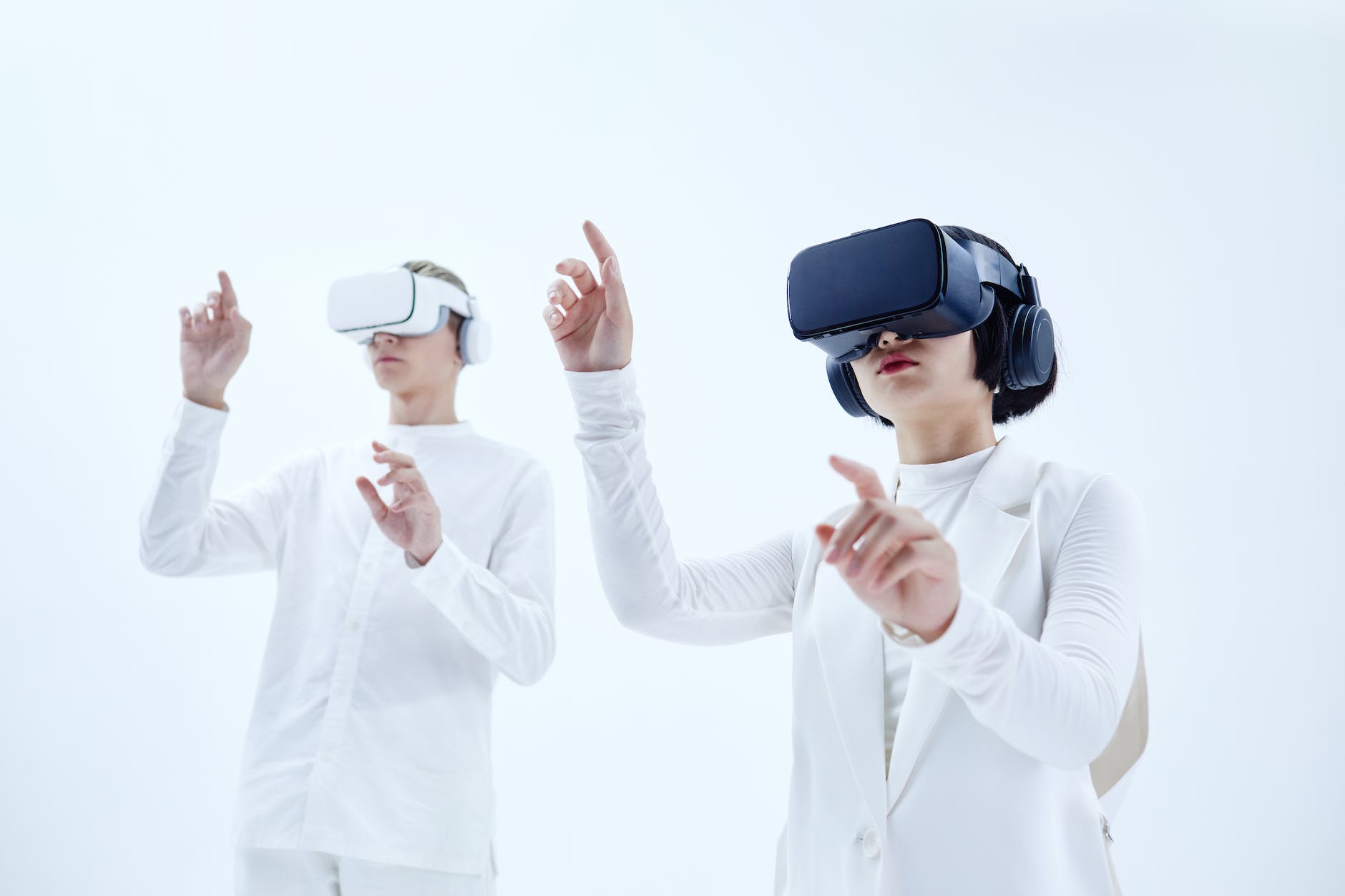
Microsoft: Microsoft’s HoloLens, a widely recognized MR device, has made significant contributions to the development of MR applications in healthcare. The HoloLens platform enables medical professionals to visualize and interact with holographic content in a mixed reality environment.
Surgical Theater: Surgical Theater is known for its advanced surgical visualization platform, which combines MR technology with patient-specific imaging data. Their Precision VR solution allows surgeons to plan and practice complex procedures using immersive 3D visualizations.
EchoPixel: EchoPixel offers True 3D, a MR software platform that enables physicians to interact with medical imaging data in a virtual reality environment. It allows them to view and manipulate patient-specific anatomy in 3D space, aiding in surgical planning and patient consultation.
Osso VR: Osso VR specializes in immersive surgical training using virtual reality and MR. Their platform offers realistic surgical simulations, allowing trainees to practice procedures in a virtual environment and receive real-time feedback.
AccuVein: AccuVein is known for its vein visualization technology, which utilizes augmented reality to assist healthcare professionals in locating veins for intravenous access and other procedures. Their portable vein visualization device helps improve accuracy and efficiency in clinical settings.
Augmedics: Augmedics has developed an MR surgical navigation system called xvision, which provides surgeons with real-time 3D guidance during procedures. The system overlays holographic images of patient anatomy onto the surgeon’s field of view, enhancing precision and reducing radiation exposure.
These are just a few examples of pioneers in the field of MR in medicine. Numerous other companies, research institutions, and healthcare organizations are actively involved in exploring and harnessing the potential of MR technology for various medical applications. As the field continues to evolve, collaboration and innovation among these pioneers and the wider medical community are driving advancements in MR for improved patient care and outcomes.


