
In the rapidly evolving world of technology, semiconductor chips play a vital role as the building blocks of computing power. As demand for faster and more efficient processing continues to rise, engineers and researchers are pushing the boundaries of chip design to achieve unprecedented speeds and capabilities. In this article, we delve into the realm of the fastest semiconductor chips, exploring their remarkable speeds, transistor counts, and the groundbreaking advancements they bring to the world of technology.
The Need for Speed:
The demand for speed in semiconductor chips is driven by various industries, including artificial intelligence, data centers, scientific research, gaming, and more. Faster chips enable quicker data processing, enhanced real-time analytics, immersive gaming experiences, and complex simulations. As a result, chip manufacturers are relentlessly pushing the limits to develop chips that can keep up with the ever-increasing demand for computational power.
Gigahertz to Terahertz: Exploring Chip Speeds:
Semiconductor chips are measured in clock speeds, typically denoted in gigahertz (GHz) or terahertz (THz). These measurements refer to the number of cycles per second that a chip can execute. Over the years, chip speeds have witnessed tremendous growth, with modern processors achieving clock speeds in the gigahertz and even terahertz range.
Transistor Count: The Key to Power:
Transistors are the fundamental units of a semiconductor chip, responsible for performing various computations. The number of transistors on a chip has a direct correlation with its processing power. Advancements in manufacturing processes have led to the miniaturization of transistors, allowing for higher transistor counts within a smaller area. Transistors, the tiny building blocks of a chip, hold the key to unlocking processing power. As technology evolves, chip designers strive to pack an ever-increasing number of transistors into these marvels of engineering. The current reigning champion of transistor counts is Apple’s M1 Ultra chip, which boasts a staggering 114 billion transistors, residing within the powerhouse Mac Studio desktop computer.
Cutting-Edge Chip Technologies:
Several cutting-edge chip technologies have emerged to boost processing speeds and performance:
High-Performance Computing (HPC) Chips: Designed for scientific research, HPC chips leverage parallel processing to tackle complex calculations at incredible speeds. These chips incorporate thousands or even millions of cores to enable efficient data processing and simulations.
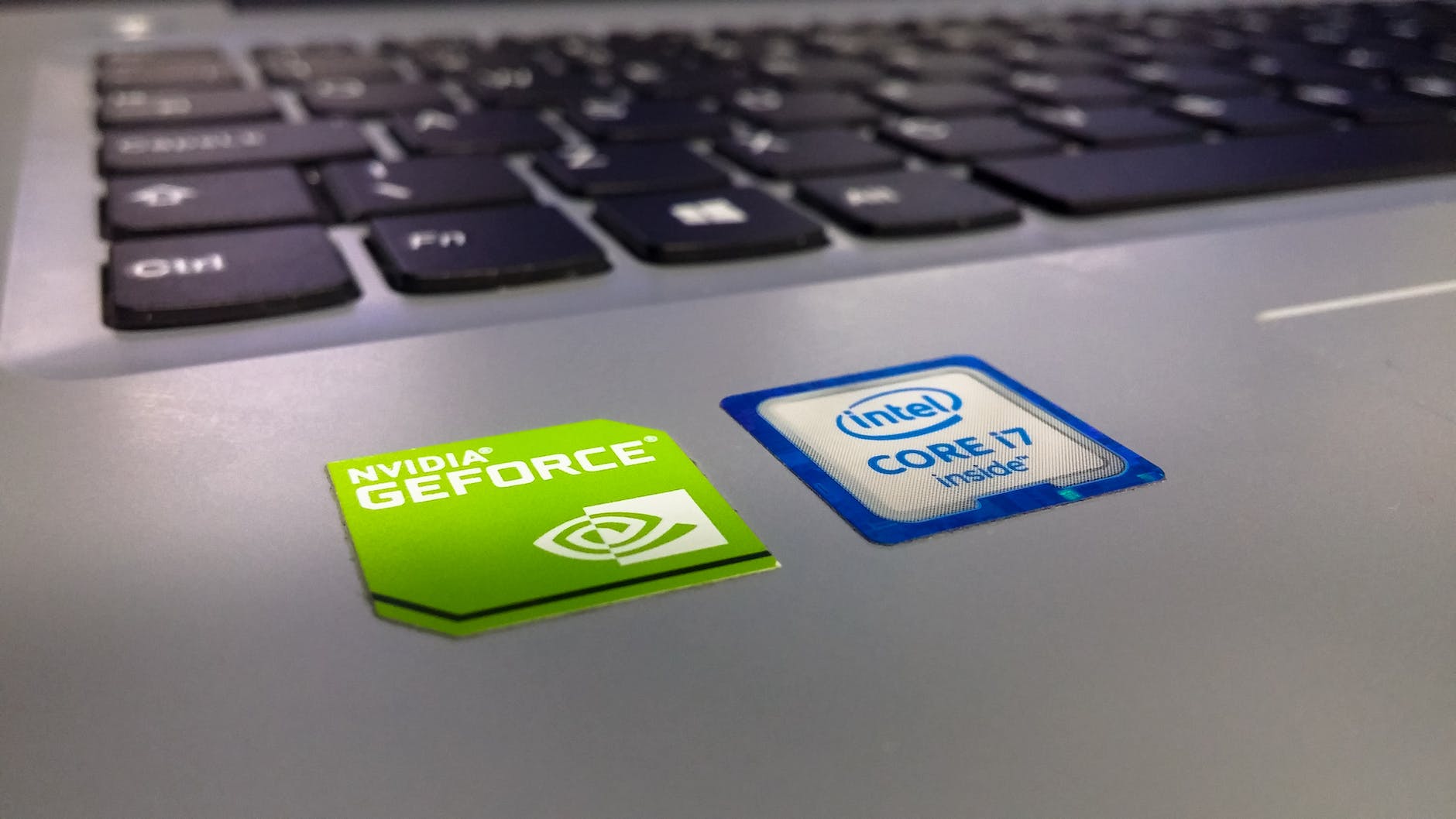
Graphics Processing Units (GPUs): Originally developed for rendering complex graphics in video games, GPUs have evolved into powerful processors capable of performing massively parallel computations. They find applications in machine learning, AI, cryptocurrency mining, and other fields that require significant computational power. Graphics Processing Units (GPUs) have their own share of transistor prowess, propelling the realm of visual computing to unimaginable heights. Nvidia’s RTX 4090 GPU stands tall with approximately 76 billion transistors, fueling mind-blowing gaming experiences and groundbreaking scientific simulations.
Quantum Computing Chips: Quantum computers utilize the principles of quantum mechanics to perform computations that surpass the capabilities of classical computers. Quantum chips, called qubits, manipulate quantum states to solve complex problems exponentially faster than conventional computers.
Implications and Future Directions:
The advancement of semiconductor chips has profound implications for various industries. Faster and more powerful chips open doors to new possibilities in fields such as artificial intelligence, autonomous vehicles, healthcare, finance, and more. As technology continues to evolve, researchers are exploring innovative materials, designs, and architectures to further enhance chip speeds and capabilities.
The race for the fastest semiconductor chips fuels innovation and drives technological progress across industries. As chip speeds reach unprecedented levels and transistor counts continue to rise, the possibilities for computing power and data processing are expanding. By harnessing the potential of these lightning-fast chips, we pave the way for groundbreaking advancements that shape our digital future.

 SlickKuBe