
Augmented Reality (AR) and Virtual Reality (VR) are two distinct technologies that offer immersive experiences, but they differ in terms of their purpose and functionality.
Augmented Reality (AR):
AR refers to a technology that overlays digital content, such as images, videos, or 3D models, onto the real world, enhancing the user’s perception and interaction with their surroundings. AR devices typically use cameras, sensors, and displays to blend virtual elements with the physical environment. This technology aims to enhance the user’s understanding and engagement with the real world by providing additional information or context.
Virtual Reality (VR):
VR, on the other hand, aims to create a completely immersive, simulated environment that can be explored and interacted with. VR devices, such as headsets or goggles, completely block out the real world and replace it with a computer-generated environment. Users wearing VR headsets can be transported to a virtual world where they can experience a sense of presence and engage with objects and events in that virtual space.
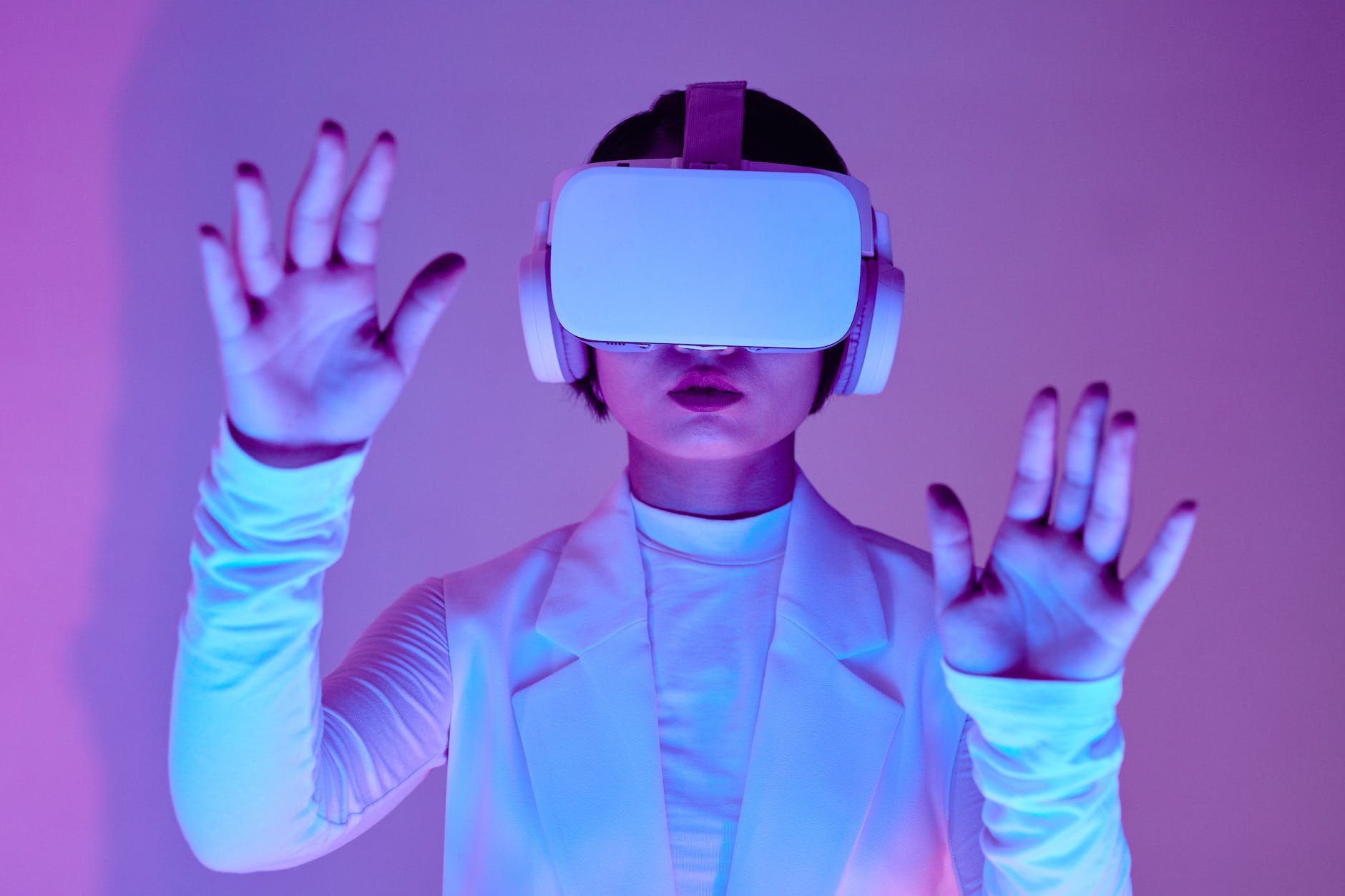
Comparison between AR and VR:
Immersion: VR provides a more immersive experience compared to AR. In VR, users are fully immersed in a virtual environment, while AR overlays virtual elements onto the real world without fully replacing it.
Interaction: AR allows users to interact with the real world while augmenting it with digital content. VR, on the other hand, offers interaction within the virtual environment, often using controllers or hand tracking devices.
Purpose: AR focuses on enhancing the real world by providing additional information or context, whereas VR is designed to create entirely new virtual experiences.
Use cases: AR finds applications in various fields such as gaming, education, healthcare, and industrial training. It can be used for tasks like real-time navigation, remote assistance, or displaying contextual information. VR is commonly used for gaming, virtual tours, simulations, training, and entertainment experiences.
Popular Manufacturers:
For Augmented Reality (AR):
Microsoft: They have developed the Microsoft HoloLens, a widely recognized AR headset used for enterprise applications and mixed reality experiences.
Magic Leap: Known for their Magic Leap One headset, Magic Leap focuses on creating spatial computing experiences blending digital content with the real world.
Google: Google has developed AR technology like Google Glass and ARCore, an AR development platform for Android devices.
Apple: Apple’s ARKit framework and AR Glasses (rumored) aim to bring AR experiences to iPhones and other Apple devices.
For Virtual Reality (VR):
Oculus (owned by Facebook): Oculus Rift, Oculus Quest, and Oculus Go are popular VR headsets developed by Oculus, offering immersive gaming and entertainment experiences.
HTC: The HTC Vive and Vive Pro are widely recognized VR headsets known for their high-quality immersive experiences.
Sony: PlayStation VR is a VR headset designed specifically for use with PlayStation consoles, providing a gaming-focused VR experience. MetaQuest by Meta( Facebook)-With breakthrough high resolution mixed reality one can engage effortlessly with the virtual world while maintaining presence in his physical space in hi-def color. Whether you are a gamer, designer, or professional seeking to enhance your work processes, Metaquest’s high-resolution mixed reality technology provides an immersive and efficient solution. Explore new dimensions of virtual experiences, unlock your creativity, and seamlessly merge the virtual and physical realms with Metaquest.
Valve: Valve partnered with HTC to develop the HTC Vive, and they also developed the Valve Index, a high-end VR headset known for its precise tracking and advanced controllers.
These are just a few examples of popular manufacturers in the AR and VR space, and the field continues to evolve with new technologies and players entering the market.
Applications of AR in driverless cars
Augmented Reality (AR) technology can be utilized in the context of autonomous or driverless cars. AR can enhance the driving experience and provide valuable information to both the vehicle’s system and the passengers.
Here are a few potential applications of AR in driverless cars:
Heads-up Display (HUD): AR can be integrated into the windshield or other transparent surfaces within the vehicle to display relevant information directly in the driver’s line of sight. This information may include speed, navigation instructions, hazard warnings, or real-time data about the surroundings.
Object Recognition and Tracking: AR can assist in identifying and tracking objects in the environment, such as pedestrians, cyclists, or other vehicles. This technology can help autonomous systems make informed decisions and improve safety by providing real-time information about potential obstacles.
Virtual Navigation and Route Visualization: AR can overlay navigation instructions onto the real-world view, allowing drivers or passengers to see digital directions, upcoming turns, and points of interest in their immediate surroundings. This enhances situational awareness and helps users understand the route more effectively.
Diagnostic and Maintenance Assistance: AR can provide visual overlays to aid in vehicle diagnostics and maintenance. It can guide technicians through repair or maintenance procedures by overlaying step-by-step instructions or highlighting problematic areas in the vehicle.
By leveraging AR technology, driverless cars can enhance safety, improve navigation, and provide a more intuitive and informative driving experience for passengers.


