

Smart homes can be incredibly helpful and beneficial. Here are some key advantages of smart home technology:
Convenience: Smart homes offer unparalleled convenience by allowing you to control various devices and appliances with ease. You can use voice commands, smartphone apps, or automation routines to adjust lighting, adjust thermostats, lock doors, control entertainment systems, and more.
Energy Efficiency: Smart home devices can help reduce energy consumption and lower utility bills. For example, smart thermostats can learn your temperature preferences and adjust accordingly, optimizing energy usage. Smart lighting systems can be programmed to turn off when rooms are unoccupied, further saving electricity.
Enhanced Security: Smart home security systems provide advanced features like motion detection, video surveillance, and remote monitoring. You can receive instant alerts and access real-time video feeds from your smartphone, improving the overall security and peace of mind.
Remote Access: One of the significant advantages of smart homes is the ability to control and monitor your home remotely. Whether you’re at work, on vacation, or anywhere else, you can use smartphone apps to check security cameras, adjust settings, and receive notifications, ensuring that you’re always connected to your home.
Personalization and Automation: Smart home systems allow for customization and automation to fit your preferences and lifestyle. You can create personalized routines and schedules for different devices, such as automatically turning on lights and adjusting temperature when you arrive home.
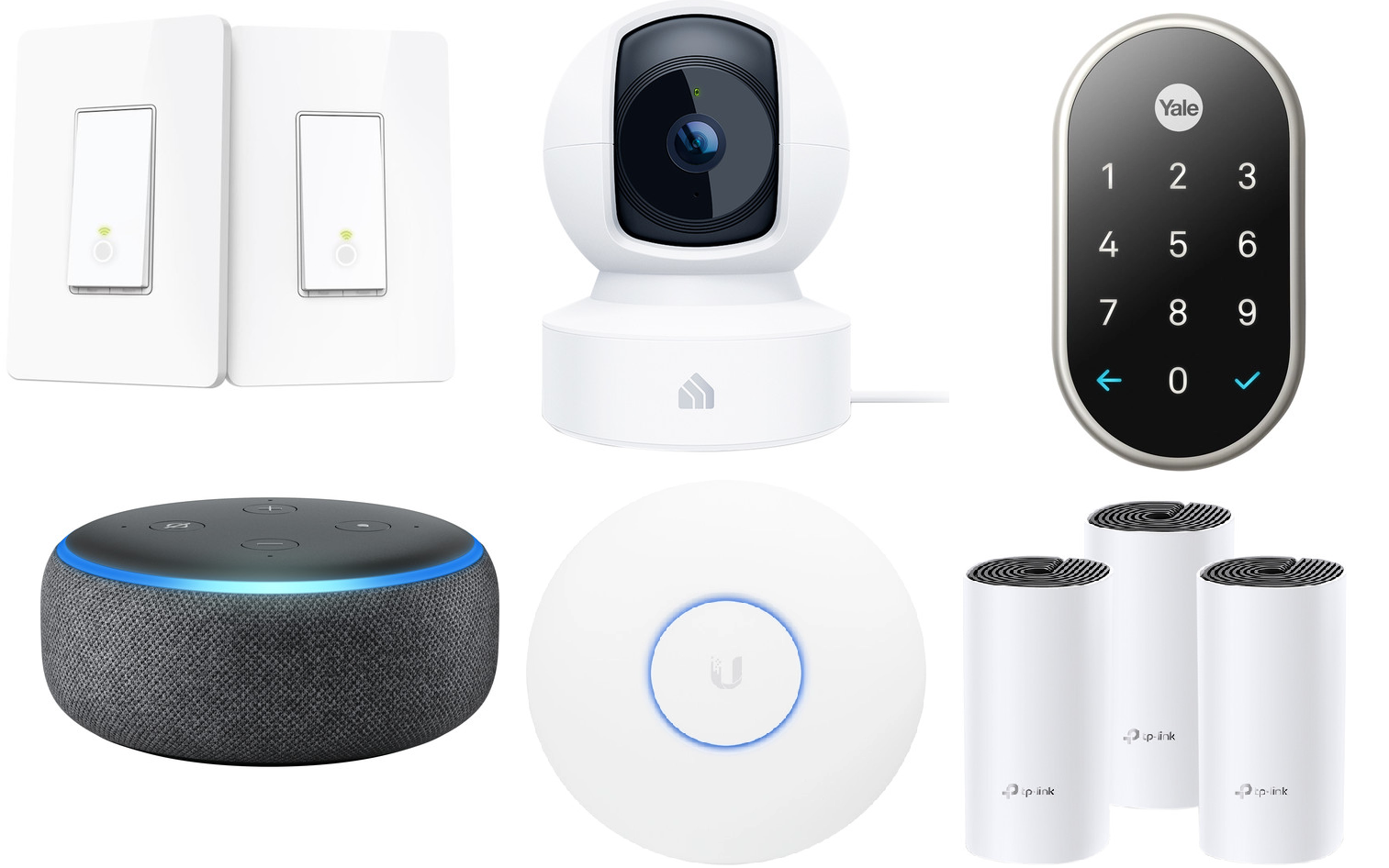
Accessibility: Smart home technology offers benefits for individuals with disabilities or mobility limitations. Voice-controlled devices and automated systems can make it easier to control various aspects of the home, promoting independence and accessibility.
While smart homes bring numerous advantages, it’s important to consider factors like privacy, initial setup costs, and compatibility with existing devices before adopting smart home technology.
Leading brands that have established themselves as top players in the smart home industry:
Amazon Alexa: Amazon’s Alexa ecosystem is one of the most popular and widely adopted smart home systems. The Alexa voice assistant is integrated into various devices, including Amazon Echo smart speakers, Echo Show displays, and third-party smart home devices. Alexa offers extensive compatibility with a wide range of devices and allows users to control their smart home using voice commands.
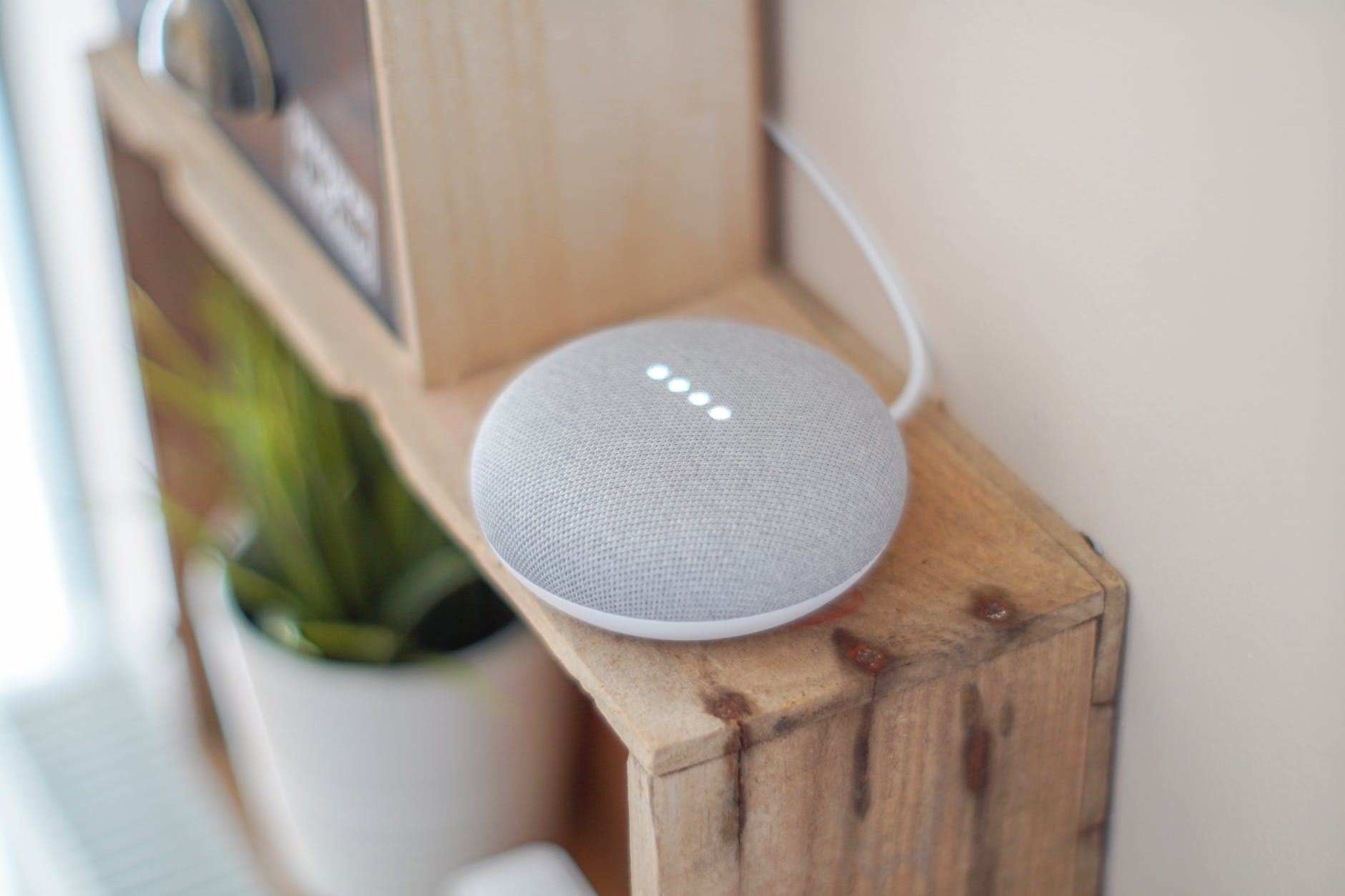
Google Assistant: Google Assistant is another prominent smart home system that powers devices like Google Nest speakers, displays, and third-party smart devices. Google Assistant provides voice control and integrates with various Google services, offering seamless automation and control over smart home devices.
Apple HomeKit: Apple’s HomeKit is a smart home platform that emphasizes security and privacy. It allows users to control compatible smart devices using Siri voice commands, Apple devices like iPhones, iPads, and HomePod speakers. HomeKit offers a streamlined and secure ecosystem for smart home automation.
Samsung SmartThings: SmartThings is Samsung’s smart home platform that provides a hub for connecting and controlling various smart devices. It supports a wide range of brands and devices, including Samsung’s own lineup of smart appliances. SmartThings offers flexibility, customization, and a user-friendly interface.
Philips Hue: While not a complete smart home system, Philips Hue is a popular brand for smart lighting. It offers a wide range of smart bulbs, light strips, and accessories that can be controlled and automated using various smart home platforms like Alexa, Google Assistant, and Apple HomeKit.
It’s important to note that the best smart home system for you will depend on factors such as device compatibility, personal preferences, and the specific features and functionalities you’re looking for. It’s recommended to research and consider the compatibility with your existing devices, the ecosystem’s capabilities, and the ease of use before deciding on the best smart home system for your needs.


